

Nearly two-thirds of handmade sellers admit they don’t feel confident in their pricing and most admit they charge too little rather than too much. If you’ve ever sold something you spent hours making, only to feel a quiet pang of regret after handing it over for next to nothing, you’re not alone.
Learning how to price handmade crafts isn’t just about running numbers. It’s about respecting your time, covering your costs, and building something sustainable — whether you sell on Etsy, at a local craft fair, or to your neighbour’s aunt who “just loves your stuff.”
This guide gives you a proven pricing formula, a fully worked real-world example, and honest advice on the emotional side of pricing that most other guides completely ignore. By the time you finish reading, you’ll have a clear method, a starting price for your next item, and the confidence to actually charge it.
Why Most Crafters Undercharge (And Why It’s Costing You)
Undercharging is the most common pricing mistake in the handmade market — and it’s driven more by emotion than math.
When you make something with your own hands, pricing it feels personal. Charging $60 for a candle can feel greedy. Asking $45 for a macramé wall hanging can feel like you’re “pushing it.” That discomfort is normal, but it’s also dangerous to your bottom line.
According to craft industry market research from the Craft Industry Alliance, the global craft market is worth over $50 billion and growing — which means buyers are absolutely willing to pay fair prices for quality handmade goods. The problem isn’t the market. The problem is the price tag you’re too afraid to write.
Underpricing also creates a race to the bottom. When you charge $12 for something that takes two hours to make, you train buyers to expect cheap handmade goods — and you burn out before your shop ever gains traction.
The Pricing Formula Every Crafter Needs
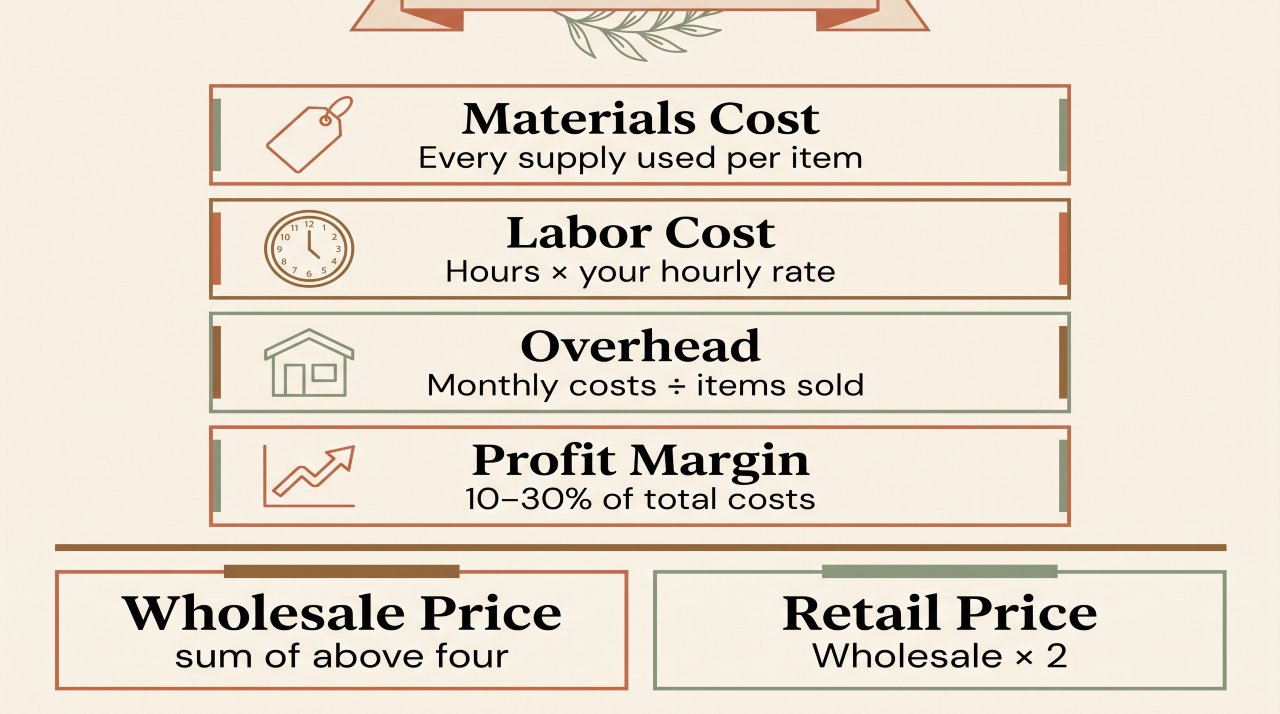
The foundation of pricing handmade crafts is a four-part formula. Every price you set should account for all four components.
The Formula:
Materials + Labor + Overhead + Profit Margin = Wholesale Price
Wholesale Price × 2 = Retail Price
Don’t skip any of these. Leaving one out is why so many crafters work hard and still feel broke.
Step 1 — Calculate Your Materials Cost
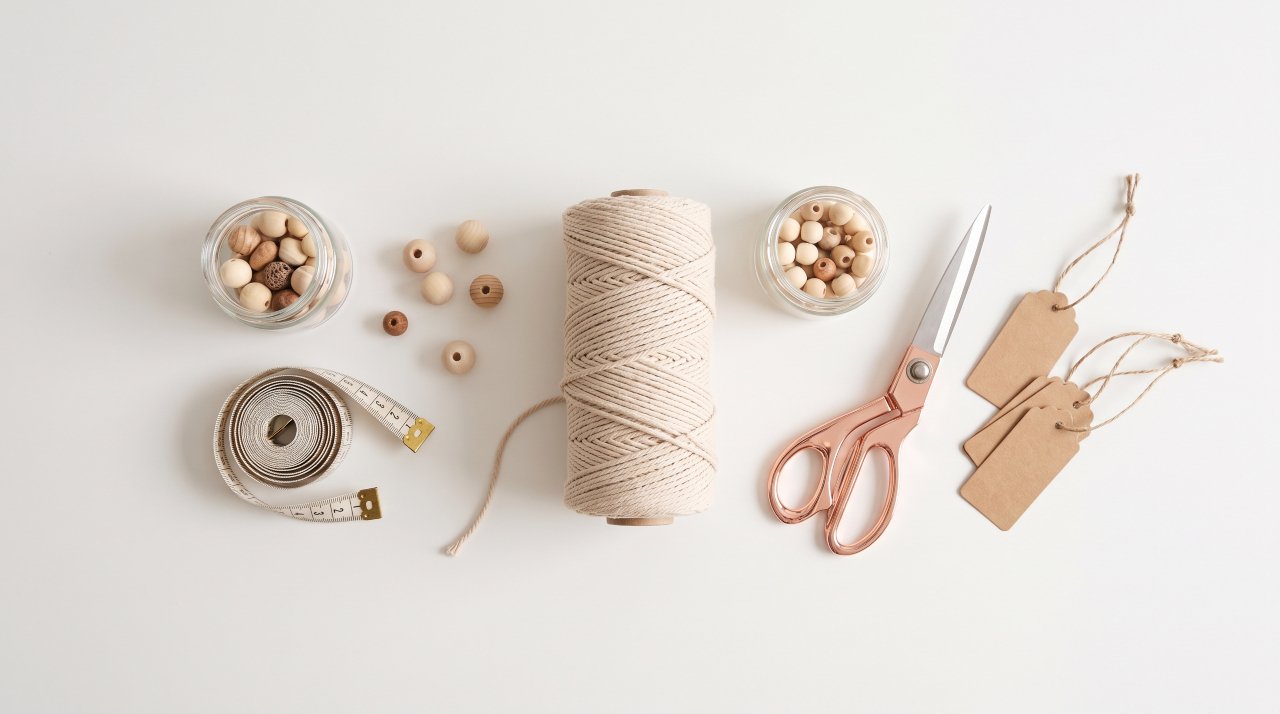
Your materials cost includes every single supply that goes into one finished item. That means cord, dye, beads, packaging, labels, tissue paper, and the small amounts of glue or paint you used.
Most crafters forget the “hidden” materials — the half-roll of ribbon, the few inches of wire, the extra thread. These add up fast, especially with inflation pushing material prices higher in 2024 and 2025.
Here’s how to do it accurately:
- Note the total price you paid for each supply
- Divide that price by the total amount in the package
- Multiply by the amount you used for one item
For example: You paid $18 for 100 metres of macramé cord. Each bag uses 15 metres. Your cord cost per bag = ($18 ÷ 100) × 15 = $2.70.
Do this for every supply. Add them all together. That’s your materials cost. For a deeper look at factoring supply costs into your pricing, check out this breakdown of macramé supplies that every beginner actually needs.
Step 2 — Set Your Labor Rate
Your labor rate is what you pay yourself per hour for the time you spend making each item. This is the number most crafters either skip entirely or set embarrassingly low.
Here’s the truth: your time has real value. Federal minimum wage data from the Bureau of Labor Statistics shows the federal minimum sits at $7.25/hour — but skilled craft work is worth significantly more. Most experienced crafters set their labor rate between $15 and $25 per hour. Beginners often start around $12–$15 and raise it as their speed and skill improve.
To calculate your labor cost per item:
Time to make one item (in hours) × Your hourly rate = Labor cost
If a wall hanging takes you 3 hours and you pay yourself $15/hour, your labor cost is $45. That’s before materials, before fees, before profit.
An honest limitation here: when you’re just starting out, you may make items slowly. Your labor cost per item will drop naturally as you get faster — so don’t panic if your first prices feel high. They’ll become more competitive as your skill builds.
Step 3 — Factor In Your Overhead
Overhead is every cost of running your craft business that isn’t tied to a single item. Most beginner crafters ignore this completely — and it’s one of the biggest gaps between “hobby” pricing and “business” pricing.
Overhead includes:
- Etsy listing fees and monthly subscriptions
- Craft fair booth fees (divided across items sold)
- Packaging materials you buy in bulk
- Equipment wear and replacement (scissors, cutting mats, tools)
- Internet costs if you use them for your shop
- Any business insurance or licenses
Add up all your monthly overhead costs and divide by the number of items you sell each month. That gives you an overhead cost per item. For a structured way to track these, calculating your overhead costs using SCORE’s small business templates is a solid starting point.
If you’re not sure of your volume yet, estimate conservatively — say 20 items per month — and recalculate once you have real data.
Step 4 — Add Your Profit Margin
Profit margin is not the same as your labor rate. Labor pays you for your time. Profit grows your business.
A good profit margin for handmade crafts sits between 10% and 30% of your combined costs. Most craft business advisors recommend starting at 10–15% and increasing it once you establish a loyal customer base.
To calculate it:
(Materials + Labor + Overhead) × 0.10 to 0.30 = Profit
This money goes back into buying better supplies, upgrading tools, investing in photography, or simply having a financial cushion when a slow month hits.
The Full Formula in Action — A Real Example
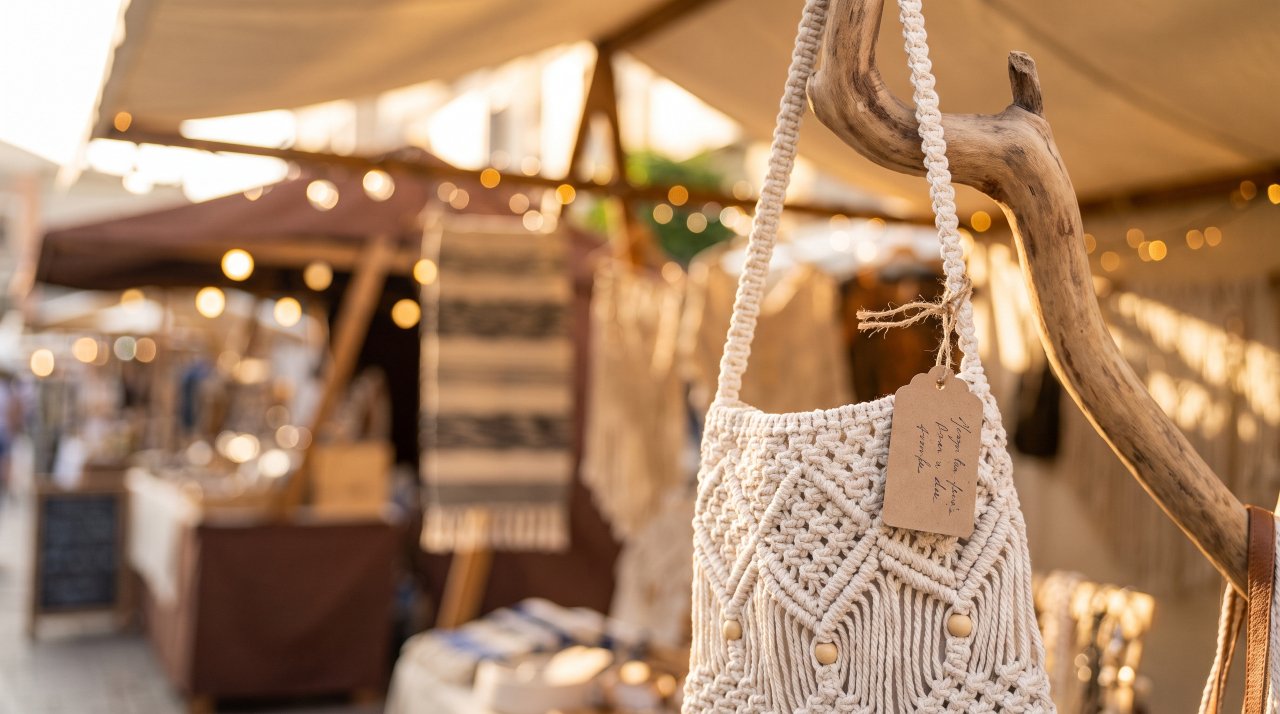
Let’s price a macramé bag from start to finish. If you want a closer look at how one of these is made, see this guide on pricing a macramé bag alongside the full step-by-step build.
| Cost Category | Calculation | Amount |
|---|---|---|
| Materials (cord, handles, beads, packaging) | Calculated per item | $8.50 |
| Labor (2.5 hours × $15/hour) | Time × hourly rate | $37.50 |
| Overhead (monthly costs ÷ 20 items) | $80 ÷ 20 | $4.00 |
| Subtotal | $50.00 | |
| Profit (15% of subtotal) | $50 × 0.15 | $7.50 |
| Wholesale Price | $57.50 | |
| Retail Price (× 2) | $115.00 |
Does $115 feel like too much? That’s the emotional response talking. Run the numbers yourself — and remember, a buyer isn’t just paying for a bag. They’re paying for your time, your skill, and something they can’t get at any mass-market store.
Platform-Specific Pricing Adjustments
Your base retail price isn’t the final number everywhere you sell. Each platform adds its own layer of costs.
Selling on Etsy: Etsy charges a $0.20 listing fee, a 6.5% transaction fee, and a payment processing fee of approximately 3% + $0.25 per sale. Review Etsy’s official seller fee breakdown before you finalize any Etsy price. On the $115 bag above, you’d lose roughly $8–$10 in fees — so you may need to price at $120–$125 to maintain your margin.
Selling at craft fairs: Your booth fee is a fixed overhead cost you spread across your expected sales. If you pay $60 for a booth and expect to sell 15 items, add $4 to each item’s price. Also factor in travel, display materials, and your time setting up and breaking down.
Selling to friends and family: This one’s emotionally loaded. You’re not obligated to give friends a discount — and if you do, decide in advance exactly how much you’re comfortable discounting and stick to it. Giving a 10–20% “friend rate” is generous. Making something for free or materials-only is a gift, not a sale.
When Your Price Feels “Too High” for the Market
Here’s the hard conversation: sometimes your formula price IS higher than what similar items sell for on Etsy. That’s uncomfortable, but it gives you useful information.
Your options are:
- Find cheaper materials without compromising quality
- Increase your speed so your labor cost per item drops
- Add perceived value through better photography, branding, and presentation
- Accept a lower profit margin temporarily while you build your reputation
- Target a different buyer — there’s always a market segment willing to pay for quality
What you should NOT do is slash your labor rate to nothing. That’s not a pricing strategy — it’s a path to burnout. The handmade market rewards quality and story, not the lowest price.
How to Know When to Raise Your Prices
Most crafters raise prices too late and too reluctantly. Here are clear signals that it’s time:
- You sell out of items quickly at every event or listing launch
- You get very few complaints about price and many repeat customers
- Your material costs have increased (inflation is real — material costs rose significantly across 2023–2025)
- You’ve noticeably improved your skill and speed
- You’ve been using the same prices for more than 12 months
A 5–10% price increase is rarely noticed by loyal customers. Announce it in advance on social media if you want to — some sellers even see a spike in sales right before a price increase takes effect.
FAQ — Pricing Handmade Crafts
What is a good profit margin for handmade crafts?
A good profit margin for handmade crafts is between 10% and 30% of your total production costs. Most experienced sellers aim for at least 15% once they’ve established a reliable customer base. This margin funds business growth, not your labor — which should already be included as a separate line item.
How do you price handmade items for a craft fair?
Start with your standard retail price, then add any portion of your booth fee not already in your overhead calculation. Price items in round, easy-to-pay numbers ($25, $40, $75) so customers can transact quickly with cash. Bring a range of price points to attract different budgets.
Is selling handmade crafts profitable?
Yes — but only if you price correctly from the start. Sellers who track all costs and pay themselves a fair hourly rate can absolutely run profitable craft businesses. Sellers who price by “what feels right” or by copying competitors often work hard for little return. Profit comes from knowing your numbers.
How much should I charge for my time making crafts?
Charge at least $12–$15 per hour as a beginner, and raise your rate as your skill and speed improve. Skilled craft work commands $20–$30+ per hour in many categories. Your rate should reflect the going rate for skilled handwork in your area, not the minimum wage.
What is the formula for pricing crafts?
The core formula is: Materials + Labor + Overhead + Profit = Wholesale Price. Double your wholesale price to get your retail price. Apply platform-specific fee adjustments on top of that retail price when selling through Etsy or similar marketplaces.
How do you figure out how much to charge for handmade items?
Calculate your actual material cost per item, set a fair hourly rate for your labor, divide your monthly business overhead across your expected item volume, then add a profit margin of 10–30%. The result is your wholesale price — double it for retail. Adjust upward to cover platform fees where needed.
Your Pricing Isn’t a Reflection of Your Worth – But It Should Be Fair
The most important thing to take away is this: pricing is a skill, not a personality test. Charging fairly doesn’t make you greedy. It makes you a sustainable business owner who can keep making things people love.
Start with the formula. Run the numbers for one item today — not eventually, not when you “have more time.” Just one item. Write down your materials cost, your labor cost, your overhead per item, and your profit margin. Add them up. That’s your wholesale price. Double it. That’s what you charge.
You put skill, time, and creativity into every piece you make. Price it like you mean it.

