
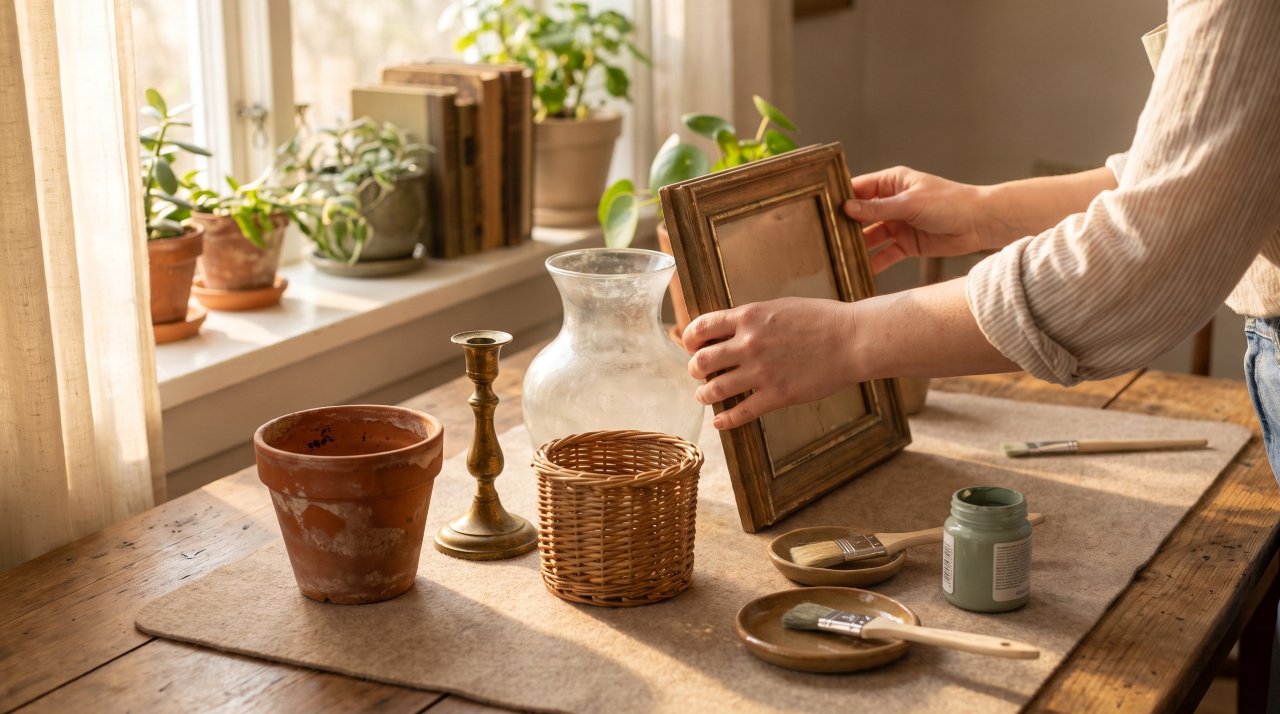
Here’s a truth most thrift store guides skip: the transformation happens before you ever leave the store. The mistake beginners make is buying things that look nice already, instead of looking for the right shape, material, or structure that holds potential. A cracked vase with a soft silhouette is worth far more than a perfectly fine vase with bad form. Design editors at Apartment Therapy call this “seeing potential over prettiness,” and it’s the single habit that separates good thrifters from frustrated ones.
These 10 thrift store finds are the ones that show up consistently, cost almost nothing, and transform into home decor that looks like it came from a boutique. For each one, you’ll find out exactly what to look for when you’re standing in the aisle, what supplies you need, and what the finished piece can become.
1. Wooden Picture Frames (Any Size, Any Color)
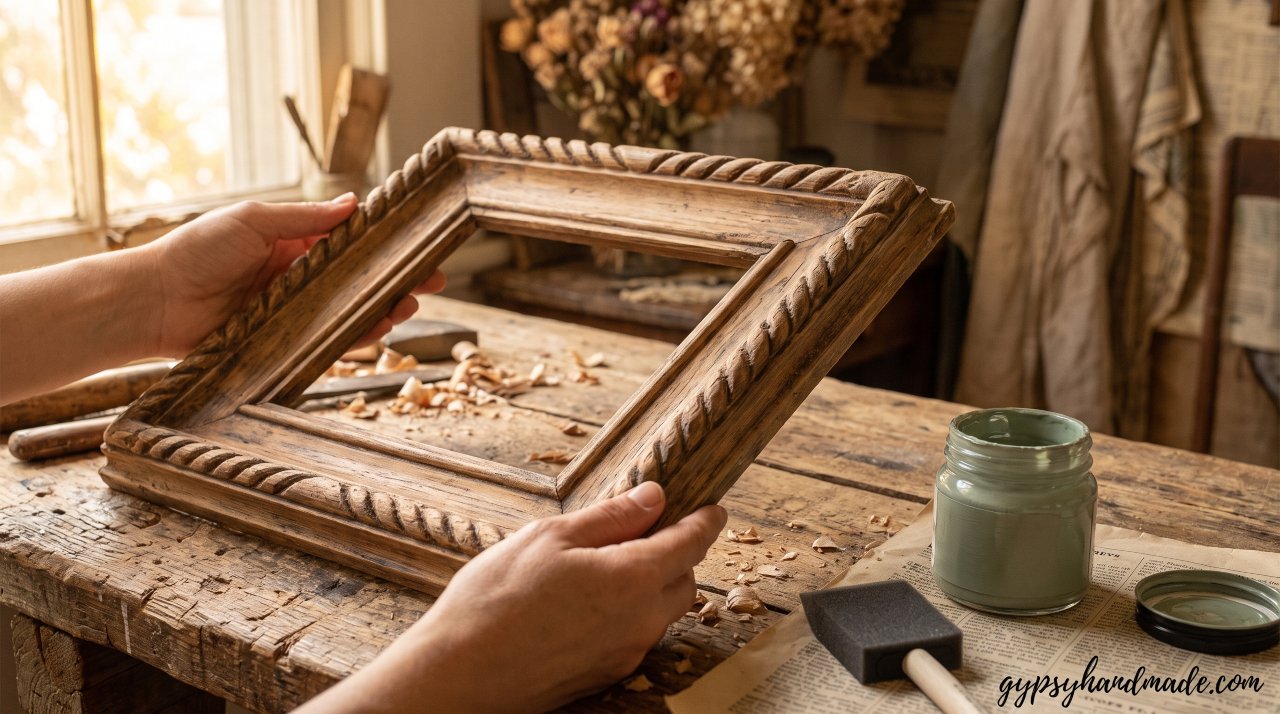
What to look for: Solid wood frames with interesting molding profiles. Avoid frames with plastic or resin corners that have separated at the joints. The glass does not matter; you likely won’t use it. Budget: 0.50−3.
A thrifted frame becomes something different depending on what you do with its face. Remove the glass and backing entirely. Stretch a piece of linen or natural burlap across the opening and staple it to the back to make a textured wall panel. Or fill the opening with chicken wire and use it as a jewelry organizer. Paint the frame in chalk paint (a single coat of Rust-Oleum Chalked in Aged Gray works on any wood tone without priming) and the shape does the decorative work.
The real tip: look for frames with carved or rope-style molding. That texture reads as high-end once the whole piece is painted a single matte color.
2. Glass Vases and Jars (Cloudy or Ugly Color)
What to look for: Interesting silhouettes. A bulbous base, a long neck, an asymmetric form. Ignore the color entirely because it’s going to change. Cloudy, amber, or dated green glass is fine. Budget: 0.25−2.
The fastest transformation on this list: wipe the vase clean and spray it with Rust-Oleum Matte White or Rust-Oleum Aged Clay in two light coats from 30cm away. The glass goes from dated to gallery-worthy in 20 minutes. Group three painted vases in graduating heights on a shelf with a single dried pampas grass stem in the tallest one. That’s a home decor vignette that sells for $80+ in boutiques. Annie Sloan chalk paint adheres to ceramic surfaces without priming and comes in over 40 matte shades, making it the most reliable choice for this kind of project.
If you want texture, apply a thin coat of baking soda mixed into white acrylic paint before sealing. It creates a rough, ceramic-like surface on the glass that is difficult to distinguish from real stoneware.
3. Wicker and Rattan Baskets
What to look for: Tight weave, solid base, no broken reeds along the rim. Small splits in the sides are fine. Shape matters more than condition for most uses. Budget: 1−5.
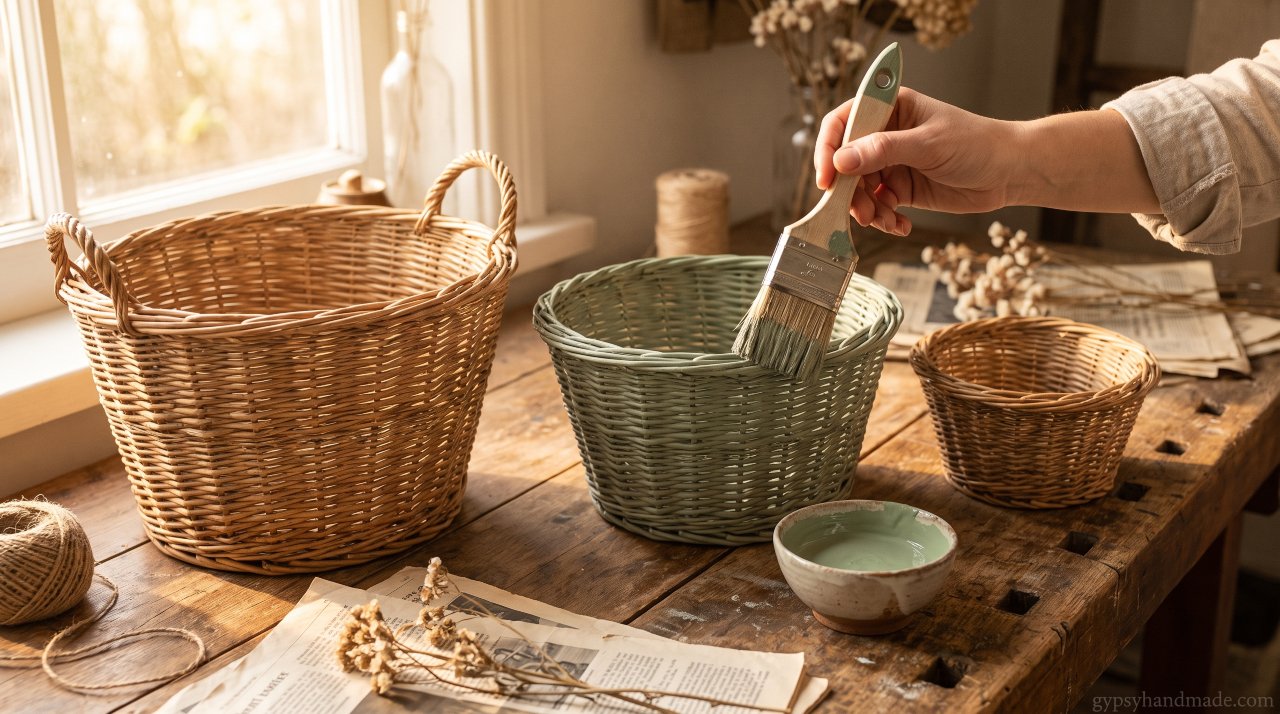
Wicker baskets are one of the most consistently useful thrift finds. In their natural state they work as plant pot covers, bread baskets, or bathroom storage. But painted, they become something else. Use a foam roller with a terracotta or sage green chalk paint and work the paint into the weave with a stiff-bristle brush in a second pass. The texture of the basket holds the paint and creates a handmade look that solid ceramic pots cannot replicate.
For a wall decor approach, hang three baskets of graduated sizes in a loose triangle arrangement using a single nail through the weave at the back. That configuration has circulated on Pinterest consistently for three years and still performs well.
4. Ceramic Bowls and Crocks (Ignore the Pattern)
What to look for: Weight and shape. A heavy, wide-mouthed ceramic bowl with a good rim has potential regardless of whatever print is currently on it. Avoid anything with hairline cracks running through the base. Budget: 0.50−3.
You can paint over almost any ceramic pattern with chalk paint as long as you don’t skip the prep step most beginners skip: wipe the surface with white vinegar on a cloth and let it dry completely before painting. This removes the invisible residue that causes paint to peel within days. Two coats of chalk paint, a light sand with 400-grit sandpaper, and a coat of clear wax gives a smooth matte finish.
Use the painted bowl as a catch-all on a console table, a bread bowl on a kitchen counter, or a planter with a small drainage layer of pebbles at the bottom. A large white-painted crock with a single eucalyptus branch is one of the most pinned home decor arrangements for a reason.
5. Old Wooden Spice Racks or Small Shelves
What to look for: Solid construction with no wobble. The style does not matter at all because it will be painted. Hanging hardware on the back is a bonus. Budget: 1−4.
A small wooden spice rack becomes a propagation station when you remove the shelf rails and hang it horizontally on the wall. Fill four or five small glass bud vases (also thrifted) with water cuttings of pothos or tradescantia. The plant stems root in the water over two to three weeks, and the whole arrangement looks like a considered piece of biophilic wall decor.
Alternatively, keep the shelves intact, paint the whole piece in a matte cream or warm white, and use it as a bathroom shelf for small candles, a rolled hand towel, and a tiny potted succulent.
6. Unused Candle Holders and Candlesticks
What to look for: Height and shape. Brass candlesticks with good proportions are the top find in this category. Ignore tarnish and verdigris entirely. Avoid candlesticks with chipped resin or broken bobeches (the drip-catching collar). Budget: 0.50−4.
Do not clean brass candlesticks. That worn, aged patina is what makes them look expensive and collected rather than purchased. Group three candlesticks of different heights together on a tray with a hurricane glass. Use pillar candles in a neutral tone like cream or sage and the grouping works on a dining table, a mantel, or a console.
For a modern update, spray the whole candlestick set in a single matte black to create a cohesive look from mismatched finds. The macrame wall hanging tutorial on the blog pairs well with a candle grouping for a complete bohemian shelf arrangement.
7. Vintage Wooden Cutting Boards
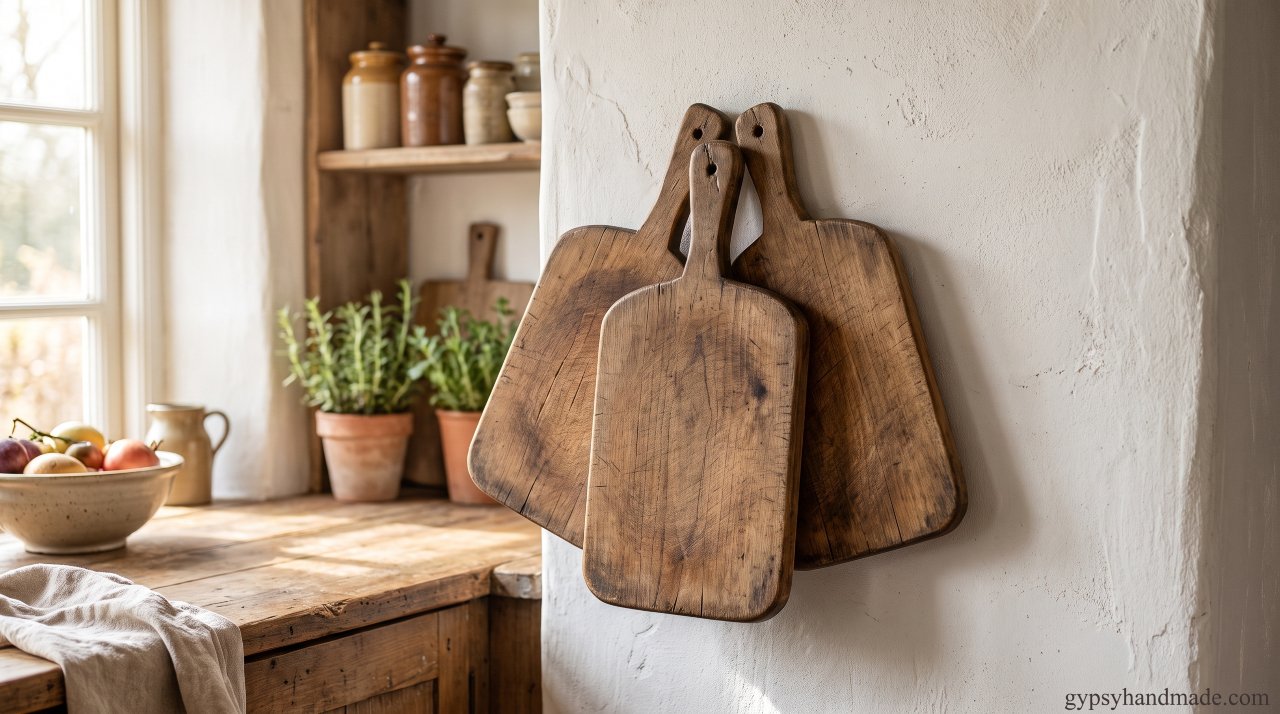
What to look for: Shape over condition. A paddle-style board with a hanging hole is more versatile than a square block. Deep knife marks are fine and add character. Avoid boards with warping or visible mold in the grain. Budget: 0.50−3.
A clean vintage cutting board becomes wall decor with one step: hang it. A collection of three paddle-style boards in graduating sizes arranged in a loose fan pattern on a kitchen or dining wall is a high-performing Pinterest format. Lightly sand each board and apply one coat of food-safe mineral oil to revive the grain before hanging.
The alternative use: a charcuterie board styled as a permanent kitchen display with a small ceramic dish, a bunch of dried herb stems tied with twine, and a small bottle of olive oil. It reads as a vignette rather than a functional item.
8. Old Mirrors (Any Frame Style)
What to look for: A mirror with an intact reflective surface and no black spotting at the edges. The frame can be any style, any finish. A mirror with black edge spots has a damaged silver backing and it will look cloudy on the wall. Budget: 2−8.
The frame is the project. Strip it with a heat gun and coarse sandpaper if it has heavy varnish, or go directly over it with chalk paint if the surface is matte. An ornate gold-tone frame painted in sage green matte chalk paint is one of the best-performing before-and-after content formats for home decor blogs, and with good reason: the transformation is striking and the materials cost under $10 total.
Lean large mirrors against a wall rather than hanging them. A leaned mirror in a bedroom corner reflects light, makes the room feel larger, and looks intentionally styled.
9. Lamps and Lamp Bases (Shade Optional)
What to look for: A base with a solid, interesting silhouette. Ceramic, wood, or metal all work. Check that the socket and cord are intact. Avoid lamps where the cord has visible fraying or the socket feels loose. Budget: 2−8.
The shade is almost always replaced. A thrifted lamp base with a new linen drum shade (available for 8−15 at most home stores) looks nothing like what it started as. Spray the base in a coordinating matte color or leave a ceramic base as-is if the silhouette is strong.
The more creative transformation: remove the existing shade entirely and make one from a wire frame and strips of natural jute twine wrapped tightly around it. This is a one-evening project that produces a lamp shade that genuinely cannot be purchased retail.
10. Terracotta Pots (Cracked, Chipped or Stained)
What to look for: Thrift stores sometimes stock used terracotta pots in various sizes. Look for ones with interesting proportions, a wide mouth, or a tall cylindrical shape. Chips on the rim are fine. Avoid pots with cracks running from the rim through the base. Budget: 0.25−2.
A cracked or stained terracotta pot becomes a textured piece of home decor with one step: dry brush. Dip a dry stiff-bristled brush into white chalk paint, wipe off nearly all of it on a piece of cardboard, then drag the almost-dry brush lightly over the pot surface. The paint catches the high points of the terracotta texture and leaves the recessed areas natural, creating a weathered, Mediterranean look.
Group three dry-brushed pots in graduating sizes on a windowsill with small trailing plants. The whole arrangement costs under 5 in thrift finds and under 3 in paint. A similar textured approach is used in the macrame plant hanger guide to create a coordinated shelf display.
Frequently Asked Questions
What thrift store items are worth buying for home decor?
Wooden frames, glass vases, wicker baskets, ceramic bowls, candlesticks, cutting boards, mirrors, lamp bases, spice racks, and terracotta pots are consistently the most transformable finds. The key is looking for interesting shapes and solid materials rather than current aesthetics.
What paint works best on thrift store decor projects?
Chalk paint is the most forgiving option for beginners because it adheres to most surfaces without priming. Rust-Oleum Chalked and Annie Sloan are the most widely available. For glass specifically, use a spray formulation rather than brush-on, and work in thin coats.
How do I make thrifted items look expensive?
Two things make the biggest difference: painting mismatched items in a single coordinating color so they read as a set, and grouping items in odd numbers (three or five). A collection of three white-painted vases always reads as more intentional and curated than one vase on its own.
Do I need to clean thrift store finds before using them?
Yes, always. Wipe hard surfaces with a 50/50 white vinegar and water solution before painting. Wash wicker and baskets with warm soapy water and let them dry fully (at least 24 hours) before applying any paint. Skipping this step is the most common reason paint peels within days.
Can I sell thrift-flipped decor on Etsy?
Yes, and it can be profitable. The margin on a $2 frame painted and restyled is significant. If you want to price your work correctly, the handmade crafts pricing guide on the blog walks through exactly how to calculate your time and materials into a fair sale price.
Your Turn: Which Find Is Next?
The best thrift store haul is one where you walk in knowing what you’re looking for. Pick two or three shapes from this list, keep them in mind on your next visit, and buy only what fits those criteria. That one habit changes thrifting from a gamble into a reliable creative resource.
For a more coordinated look, pair your thrifted finds with handmade macrame accents so the whole room has a consistent handmade, bohemian feel. And if you find something on this list, save this post to your Pinterest home decor board before you head out so you have the transformation steps when you get home.

