
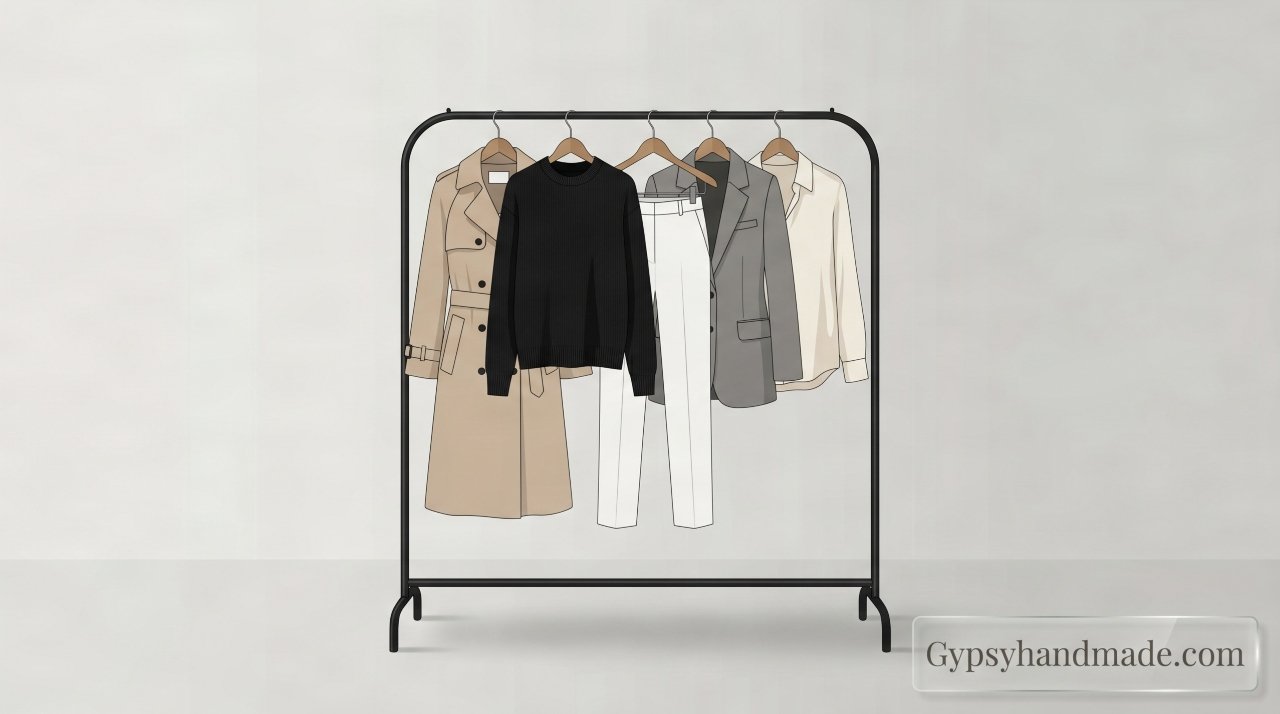
The average American spends about $1,700 per year on clothing, yet studies show most people wear only 20% of their wardrobe regularly. That means most of us are buying a lot and actually using very little of it. The problem is not the amount of money being spent. It is where the money is going.
Affordable luxury fashion brands sit in a specific sweet spot. They charge more than fast fashion, but far less than true designer labels like Chanel or Hermès. What you get in return is better fabric, longer wear, and clothes that still look good three years from now. This article gives you a clear list of brands worth your money, what makes each one different, and exactly how to shop them without overpaying.
You will walk away knowing which brands deserve your budget, which ones are mostly hype, and how to think about clothing as a real financial decision rather than an impulse call.
Who Gets the Most Out of This Article
This article is written for one specific person: someone in their late 20s to early 40s who is done buying cheap clothes that fall apart after six washes. You have probably outgrown fast fashion stores but feel like true luxury brands are out of reach. You are not trying to impress anyone. You just want clothes that fit well, last long, and look clean and intentional.
Maybe you are rebuilding your wardrobe after a career change, or you are tired of replacing the same worn-out pieces every season. Either way, you are ready to spend smarter, not necessarily more. This guide is for you. If you are looking for a list of the most expensive designer names in fashion, this is not that.
What “Affordable Luxury” Actually Means
The fashion industry loves vague labels. “Luxury” gets attached to everything from a $40 scarf to a $4,000 coat, so it helps to define what we actually mean here.
True luxury brands, also called heritage houses, include names like Louis Vuitton, Gucci, and Prada. Their prices reflect heritage, marketing costs, exclusivity, and in some cases, genuine craftsmanship. Most people cannot and do not need to shop there regularly.
Affordable luxury fashion brands operate differently. They typically price individual pieces between $80 and $500, sometimes higher for outerwear or shoes. What separates them from fast fashion is the material quality, construction detail, and longevity of the product. A $150 merino wool sweater from an affordable luxury brand will almost always outlast three $30 sweaters from a fast fashion chain. That is not a knock on budget shopping. It is just math.
The concept here connects directly to cost per wear, a simple formula: divide what you paid by how many times you wear the item. A $200 coat you wear 80 times costs $2.50 per wear. A $50 coat that falls apart after 10 wears costs $5 per wear. Affordable luxury makes financial sense when you actually use what you buy.
One more thing: affordable luxury does not mean discount. These brands are priced at what they charge. They are not cheap versions of expensive things. They are their own category, and they are worth treating that way.
The Brands That Actually Deliver
1. Cos
Cos is owned by the H&M Group, but it operates completely differently from its parent company. The brand focuses on minimalist silhouettes, muted colors, and quality fabrics like wool blends, organic cotton, and structured linen. Prices range from around $60 for a basic tee to $250 for a structured coat.
What makes Cos worth considering is consistency. The cuts are architectural and intentional. Pieces work across seasons without looking trendy or dated. If you want elevated basics that quietly do their job, Cos delivers. The downside is that the sizing runs slim and the fits lean toward oversized on purpose, so always check the size guide before ordering.
2. Everlane
Everlane built its brand on radical price transparency, showing customers exactly what each item costs to make and how much markup they charge. That idea has earned it a loyal following. Prices sit between $30 for a tee and $300 for outerwear.
The brand is especially strong in denim, cashmere, and everyday basics. Their Day Glove flat and Tread sneaker have real cult followings for good reason. One honest note: Everlane has faced criticism for inconsistency in fabric quality over recent years, so it is worth reading current reviews before buying specific items rather than shopping the brand blindly.
3. Toteme
Toteme is a Swedish brand that has become a quiet reference point for the “quiet luxury” aesthetic that gained traction in the early 2020s. Pieces are simple, expensive-looking, and built to last. Prices are higher than the others on this list, ranging from about $200 for basics to $800 for outerwear.
This is the brand that sits closest to true luxury without crossing into it. Their scarf coat and straight-leg trousers are considered investment pieces in the fashion community. If your budget allows and you are building a long-term wardrobe, a single Toteme piece holds its value on the resale market better than most brands in this category.
4. Club Monaco
Club Monaco has existed since 1985 and consistently delivers tailored silhouettes at accessible prices. A blazer runs around $300, trousers around $150. The brand works especially well for professional wardrobes that need to look polished without screaming “corporate.”
The fabric quality at Club Monaco is genuinely good for the price point. Wool, silk, and cashmere blends show up regularly in their collections. The designs are classic with just enough modern adjustment to feel current rather than stale.
5. Banana Republic
Banana Republic gets overlooked in these conversations because it is a mall brand, but that is a mistake. Especially when shopping sale or their BR Factory line, the quality-to-price ratio is hard to beat. Their monogram collection uses Italian wool and Japanese denim and represents some of the best value in affordable luxury fashion brands.
The trick with Banana Republic is patience. Almost everything goes on sale, and they run promotions regularly. Paying full price is rarely necessary and never recommended.
6. Arket
Arket is another brand from the H&M Group, launched in 2017. It sits above Cos in price and quality, and it focuses on what the brand calls “modern essential” pieces built on longevity rather than trend cycles. A wool coat from Arket runs about $300 to $400. Knitwear sits around $100 to $200.
The brand publishes material sourcing information for most products, which matters if sustainability factors into your buying decisions. The design language is Scandinavian, clean, and restrained. Arket is particularly strong in outerwear and structured knitwear.
7. Reiss
Reiss is a British brand with a strong following for occasion wear and smart casuals. Their suiting is especially good value, with full suits running between $400 and $600. That is a fraction of what comparable quality costs at a true luxury brand.
For anyone who needs to dress professionally and wants clothes that photograph well and hold their shape, Reiss is a solid choice. Their women’s occasion dresses and men’s slim-cut trousers are consistently praised for fit and construction.
8. Sandro
Sandro is a French brand positioned just below the true luxury tier. It brings a Parisian sensibility to pieces that look expensive without requiring a designer budget. A Sandro blazer or silk blouse runs between $250 and $450. Their knitwear and outerwear are the strongest categories.
The brand is worth watching during end-of-season sales, where prices drop significantly. Shopping Sandro at full price is fine if you have identified a specific investment piece. Shopping it during a sale is even smarter.
9. M.M. LaFleur
M.M. LaFleur focuses specifically on workwear for women and has built a reputation for functional, flattering, and durable professional clothing. Pieces are priced between $100 and $300. Their wrinkle-resistant fabrics are especially useful for people who travel for work.
The brand solves a real problem: looking polished without thinking too hard about it. Their “Bento Box” styling service matches pieces that work together, which removes decision fatigue from the shopping process.
What Most Articles On This Topic Get Wrong
Most “affordable luxury” lists treat price as the main filter. If something costs between $100 and $400, it qualifies. That is lazy thinking.
The real filter is cost per wear combined with resale value. A brand like Toteme holds resale value at roughly 50 to 70% of retail on platforms like The RealReal or Vestiaire Collective. A brand like Banana Republic holds almost none. That is not a reason to avoid Banana Republic. It is a reason to know what you are buying and why.
When you spend $300 on a Toteme sweater and later sell it for $180, your actual cost is $120. When you spend $150 on a similar sweater from a brand with no resale market and it falls apart in two years, you spent $150 with nothing to show for it. Resale value is a financial feature of a clothing brand, and almost no fashion article treats it that way.
How to Take Action Right Now
Start with one category, not an entire wardrobe overhaul. Pick the one type of clothing you replace most often or spend the most money on over time. For most people, that is knitwear, trousers, or outerwear.
Choose one brand from this list that fits that category and your budget. Read recent reviews from real customers, not just editorial coverage. Buy one piece. Wear it consistently for three to six months. Track whether it holds its shape, washes well, and still looks like what you bought.
After that single test, you will know whether the brand works for your body, lifestyle, and budget. Then add another piece. Building a wardrobe this way takes longer but costs less over time and produces far better results than buying twenty things at once.
The Takeaway
Affordable luxury fashion brands give you a real alternative to the cycle of buying cheap and replacing constantly. The brands on this list are not perfect, but they are honest about what they are and generally deliver on quality. The smartest move is to stop treating clothing as a category where cheap automatically wins. Start treating it as a category where value, durability, and cost per wear actually matter.
Pick one brand, buy one piece, and see for yourself. Start with Cos, Everlane, or Arket if you want minimal risk and broad sizing. Then decide what comes next based on real experience, not marketing.

