
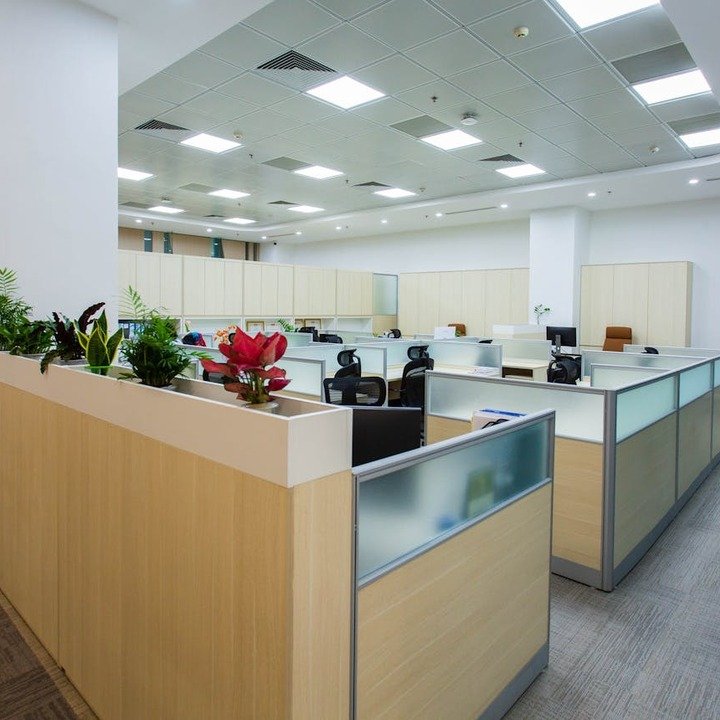
The modern office is no longer just a place where people come to complete tasks. It has evolved into a space that influences creativity, collaboration, and overall employee well-being. A thoughtfully designed office can improve focus, reduce stress, and create a positive work culture that benefits both employees and businesses.
As companies grow and adapt to changing work styles, the importance of a well-planned office space becomes even more evident. From layout and furniture to lighting and ambiance, every detail contributes to how effectively the workspace functions.
Understanding the Purpose of the Workspace
Before designing an office, it is important to understand how the space will be used. Different businesses have different needs. Some require open areas for collaboration, while others need quiet zones for focused work.
The design should reflect the nature of the work being done. For example, creative teams may benefit from flexible seating and open layouts, while corporate environments may require structured workstations and meeting rooms.
When the design aligns with the workflow, it naturally improves efficiency and productivity.
The Role of Layout in Daily Operations
A good office layout ensures smooth movement and easy communication. It should allow employees to navigate the space without confusion or congestion.
Open layouts encourage interaction and teamwork, while dedicated cabins and meeting rooms provide privacy when needed. Breakout areas and informal seating zones also add value by giving employees a place to relax or brainstorm ideas.
The key is to maintain a balance between collaboration and focus. A well-planned layout supports both without compromising on comfort.
Creating Comfortable Workstations
Employees spend a large part of their day at their desks, so comfort should be a top priority. Ergonomic furniture helps in maintaining proper posture and reduces the risk of fatigue or discomfort.
Chairs should provide good back support, and desks should be at the right height for easy use. Adjustable furniture can further enhance comfort by allowing employees to customize their workstations.
A comfortable setup not only improves productivity but also contributes to long-term health and well-being.
Lighting That Enhances Productivity
Lighting plays a major role in shaping the work environment. Poor lighting can lead to eye strain and reduced focus, while proper lighting creates a more energetic and inviting space.
Natural light is always preferred, as it improves mood and reduces stress. In addition to that, a mix of ambient and task lighting ensures that all areas of the office are well-lit.
Carefully planned lighting can also highlight design elements and create a visually appealing environment.
The Importance of Aesthetics
While functionality is essential, the visual appeal of an office should not be overlooked. A well-designed space creates a positive impression on both employees and visitors.
Colors, textures, and materials should be chosen thoughtfully. Neutral tones create a calm and professional atmosphere, while vibrant accents can add energy and creativity.
Simple design elements like plants, artwork, and clean finishes can make the office feel more welcoming and lively.
Storage and Organization
An organized workspace is crucial for maintaining productivity. Clutter can distract employees and make it difficult to focus on tasks.
Proper storage solutions such as cabinets, shelves, and drawers help in keeping everything in order. Documents, supplies, and equipment should be stored in a way that is easy to access.
A clean and organized office not only improves efficiency but also creates a more professional environment.
Flexibility for Changing Needs
Workplaces are constantly evolving, and office design should be able to adapt to these changes. Flexible spaces allow businesses to adjust their layout as needed.
Modular furniture and movable partitions make it easier to reconfigure the office. This is especially useful for growing teams or companies that frequently update their work processes.
Planning for flexibility ensures that the office remains functional and relevant over time.
The Value of Professional Expertise
Designing an office involves multiple elements that need to work together seamlessly. From layout planning to material selection, every step requires careful consideration.
This is where office interior design services can make a significant difference. Professionals bring experience and a clear understanding of how to create spaces that are both practical and visually appealing.
They also help in optimizing space, selecting the right materials, and ensuring that the design aligns with business goals. Working with experts can save time, reduce errors, and deliver better results.
Budget Planning for Better Outcomes
Creating a well-designed office does not always mean exceeding your budget. With proper planning, it is possible to achieve a high-quality setup without unnecessary expenses.
Start by identifying your priorities. Focus on essential elements like layout, furniture, and lighting. Invest in quality where it matters most, and keep decorative elements simple.
A well-planned budget helps in making informed decisions and ensures that the project stays on track.
Final Thoughts
An office is more than just a place to work. It is an environment that influences how people think, feel, and perform. A thoughtfully designed workspace can boost productivity, encourage collaboration, and create a positive atmosphere.
By focusing on layout, comfort, lighting, and overall design, you can build a workspace that meets both functional and aesthetic needs.
Take the time to understand your requirements and explore different design possibilities. With the right approach and guidance, you can create an office that supports growth, enhances efficiency, and leaves a lasting impression.

