
Italy Has Over 350 Recognized Pasta Shapes — And Most People Know Less Than 20
That number is not an exaggeration. Italy’s pasta culture is one of the most specific and regionalized food traditions on earth. Different towns, different shapes. Different shapes, different purposes. Prosecchini sits in a category of small pasta that many home cooks have never tried but professional Italian cooks have relied on for generations.
This article gives you a clear picture of what prosecchini is, where it comes from, how to cook it correctly, and which recipes actually let it shine. By the end, you will know exactly what to do with it and whether it belongs in your pantry.
No guesswork. Just real information about a pasta shape that deserves more attention than it gets.
Who Gets the Most Out of This Article
This is written for the home cook who already knows their way around a pot of pasta but wants to go deeper into Italian cuisine. You might have spotted prosecchini on a specialty grocery shelf or in an online Italian food store. Maybe a recipe called for it and you had no idea what it was.
You are not a beginner in the kitchen, but you are new to this specific shape. You want practical answers, not a history lecture. You want to know if prosecchini is worth buying, what it tastes like compared to other small pasta shapes, and what to actually make with it. That is exactly what this covers.
The Background You Actually Need
Italy organizes pasta by shape, size, and texture because each one serves a specific purpose. This is not just tradition for tradition’s sake. The physical form of a pasta determines how sauce sticks to it, how it behaves in liquid, and how long it takes to cook properly.
Small pasta shapes, called pastina in Italian, are a separate category from standard table pasta. They are used most often in soups, broths, and light dishes for children or people recovering from illness. The word pastina literally means “little pasta.” Prosecchini falls into this family.
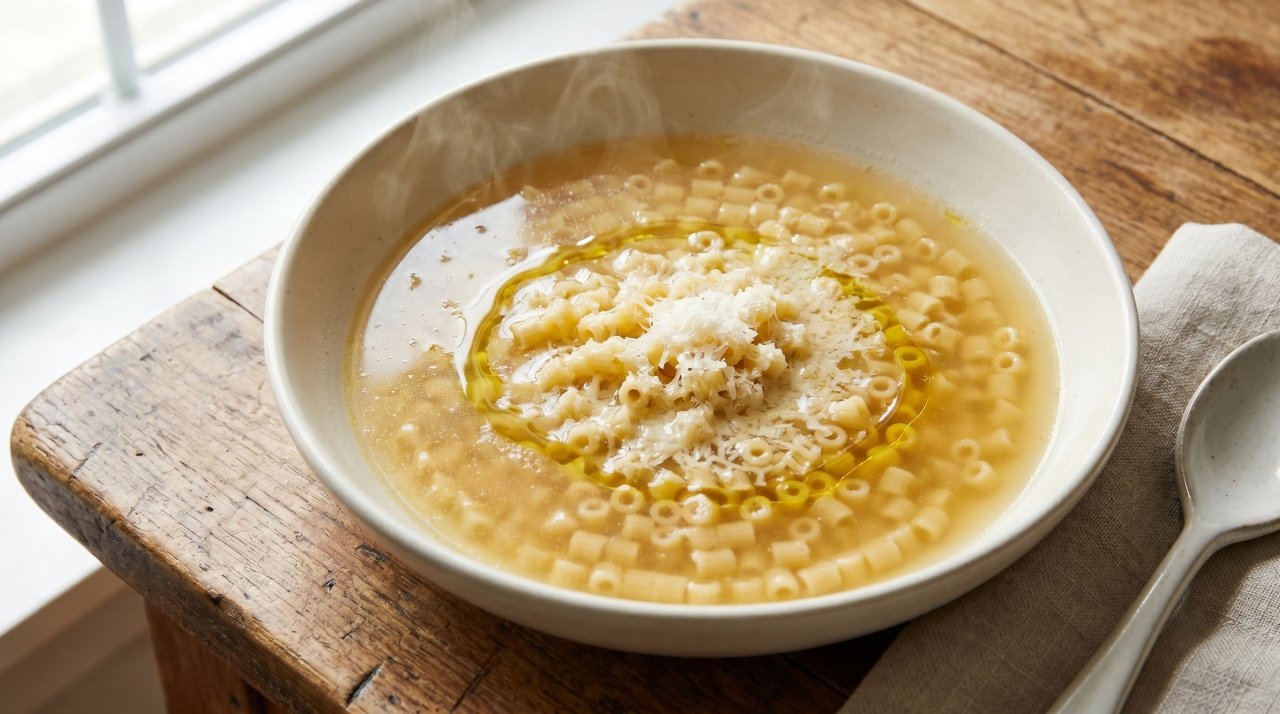
Prosecchini are tiny, tube-shaped pieces of pasta. Think of a very small version of a cut tube, similar in principle to ditalini but even smaller and more delicate in structure. The name comes from Italian roots and reflects the small, cut form of the shape. Like most Italian pasta names, it ends in a plural form because you never eat just one.
What makes this shape useful is its behavior in hot liquid. Because the pieces are small and hollow, they absorb broth quickly and evenly. This gives them a soft but not mushy texture when cooked right, which is exactly what you want in a light soup or a dish meant to be gentle on the stomach.
How Prosecchini Works in Real Cooking
The Shape Tells You Everything About How to Use It
Prosecchini’s small, tubular shape is not random. Every pasta shape is built around a specific cooking job, and this one was built for broth and light sauces. The hollow center fills with liquid during cooking, which means each bite carries both pasta and whatever it is cooked in. This is the main reason it works so well in soups.
Compare it to orzo, which is dense and solid. Orzo absorbs broth but does not capture it inside. Prosecchini holds liquid, which creates a slightly different texture and a richer bite despite the tiny size.
If you are planning to use this pasta, think about liquid first. It is a team player, not a solo act.
Where Prosecchini Fits Best
This pasta shape was built for brothy, light dishes. The most traditional use is in a simple broth, often chicken or vegetable, where the pasta is cooked directly in the liquid. Italian grandmothers have been doing this for a long time, particularly for young children and sick family members who need something easy to eat and digest.
It also works in a light tomato broth where the sauce is thin and the pasta absorbs the flavor as it cooks. Thick, heavy sauces like Bolognese or carbonara are a bad match. The pasta is too small to hold weight, and the sauce overpowers the shape entirely.
A realistic serving looks like this: a shallow bowl with a clear or lightly sauced broth, a scoop of prosecchini, a drizzle of good olive oil, and maybe some grated Parmesan. That is the dish. Simple and intentional.
How to Cook It Without Ruining It
Small pasta shapes are easy to overcook because the margin for error is narrow. Prosecchini cooks fast, often in 4 to 7 minutes depending on the brand. Check the package, then check the pasta at least 2 minutes before the time listed.
The best method is to cook it directly in the broth or soup rather than boiling it separately in water. This way it absorbs the flavor of the liquid rather than plain water, which makes a noticeable difference in taste.
If you cook it in water, drain it while it still has a slight firmness. It will continue to cook slightly when added to hot soup. Add it to the bowl a minute before serving, not 10 minutes before, or it turns soft and loses its texture.
What Prosecchini Tastes Like vs. Other Small Pastas
| Pasta Shape | Size | Texture When Cooked | Best Use |
|---|---|---|---|
| Prosecchini | Very small, tubular | Soft, slightly chewy | Broths, light soups |
| Orzo | Small, rice-shaped | Dense, firm | Salads, thicker soups |
| Ditalini | Small tube, larger than prosecchini | Firmer, hearty | Bean soups, pasta fagioli |
| Stelline | Very small, star-shaped | Soft | Children’s dishes, broths |
| Acini di pepe | Tiny round | Soft, delicate | Broth soups, light salads |
Prosecchini sits between stelline and ditalini in terms of substance. It has more body than a star-shaped pastina but less chew than ditalini. For anyone who wants a broth-based dish with a little more pasta presence, prosecchini is a solid middle ground.
Where to Buy It
Prosecchini is not on the shelves of every grocery store. Standard supermarkets rarely carry this level of specialty pasta. Your best options are:
- Italian specialty food stores (in person or online)
- Online retailers that focus on imported Italian goods
- Larger grocery stores with expanded international aisles
Brands like De Cecco and Barilla carry a range of small pasta shapes, though availability varies by region. Italian import shops online often carry a wider range, including less common pastina types.
What Most Articles on Small Pasta Get Wrong
Most guides to pastina or small pasta shapes treat them as interchangeable. They will say something like “any small pasta works” and move on. That advice sounds harmless but it actually produces worse food.
The hollow center of prosecchini is not the same as the solid form of orzo. Swapping them changes the texture of the finished dish noticeably. A broth made with orzo has a different bite and thickness than the same broth made with prosecchini.
Here is the part that matters: the shape of pasta affects how quickly starch is released into the cooking liquid. Small hollow pasta releases starch faster than dense solid pasta. This means a broth cooked with prosecchini will thicken slightly more than the same broth with orzo, even if the cooking time is similar. If you want a very clear broth, cook the pasta separately and add it just before serving. If you want the broth to have more body, cook the pasta directly in it. That is the practical difference most articles skip entirely.
How to Take Action Right Now
Start simple. Pick one recipe: a light chicken broth soup. Use good quality broth, homemade or a high quality store bought version with minimal additives. Bring the broth to a gentle simmer, add the prosecchini, and cook for the time listed on the package minus 1 minute.
Once it is done, ladle it into a bowl. Add a small drizzle of extra virgin olive oil and a light grating of Parmesan or Pecorino. Eat it while it is hot.
That first bowl tells you everything. You will know if the texture is what you expected, whether the flavor of the broth transferred into the pasta, and how satisfying the dish is. From there, try variations: add a small amount of wilted spinach, a squeeze of lemon, or a few drops of chili oil. Build on what works.
The One Thing Worth Remembering
Prosecchini is a specialty pasta built for broth and light dishes. It is not a substitute for larger pasta shapes and it is not interchangeable with other pastina without affecting the final result. When you use it correctly, it produces a dish that feels intentional and satisfying in a way that generic small pasta does not.
Buy a bag, make a simple broth soup, and taste the difference for yourself. That is the fastest way to know if this pasta earns a permanent spot in your kitchen. If it does, check the related guide on Italian pasta shapes to find the other small pasta types worth adding to your collection.
Frequently Asked Questions About Prosecchini
These are the questions people search most often after finding out about prosecchini for the first time. Each answer is direct and based on how this pasta actually behaves in real cooking.
Q1: What is prosecchini pasta made from?
Prosecchini is made from durum wheat semolina and water, just like most traditional dried Italian pasta. Durum wheat gives it the firm structure needed to hold its tubular shape during cooking without falling apart in hot liquid. Some specialty versions may use whole wheat or alternative flours, but the classic version uses semolina. Check the ingredient list on the package if you have dietary restrictions or gluten sensitivity, since most standard prosecchini contains gluten.
Q2: Can you substitute prosecchini with another pasta shape?
Yes, but the result will be different. The closest substitutes are ditalini, stelline, or acini di pepe, all of which are small and work well in broth. Ditalini is slightly larger and holds up better in heartier soups. Stelline is softer and breaks down faster. No substitute will behave exactly like prosecchini because the hollow tubular shape is specific to how it captures and holds liquid. If you swap, adjust your cooking time and expect a slightly different texture in the finished dish.
Q3: How long does prosecchini take to cook?
Most prosecchini cooks in 4 to 7 minutes. The exact time depends on the brand and whether you are cooking it in water or directly in broth. Broth can cook it slightly faster because of the salt and other dissolved solids in the liquid. Always start checking the pasta at least 2 minutes before the package time ends. Small pasta shapes go from perfect to mushy quickly, and there is no fixing overcooked pasta once it happens.
Q4: Is prosecchini good for babies or young children?
Yes, and this is actually one of its most traditional uses in Italian cooking. Small, soft pasta cooked in a light broth has been a staple meal for Italian children for generations. The small size makes it easy to eat, and when cooked slightly past al dente, the texture is soft enough for young children who are moving past pureed food. Always cook it fully soft for very young children, not al dente, and pair it with a mild broth without heavy seasoning. Check with your pediatrician if you have specific concerns about introducing pasta to infants.
Q5: How should you store prosecchini after opening the package?
Dried prosecchini stores the same way as any dried pasta. Transfer it to an airtight container after opening and keep it in a cool, dry place away from direct sunlight. A sealed glass jar or a resealable bag with the air pressed out both work well. Stored properly, dried prosecchini lasts up to two years. Do not refrigerate dried pasta because moisture in the fridge can cause it to absorb humidity and degrade faster. If you cooked more than you needed, store leftovers in the fridge in a sealed container for up to 3 days, but keep in mind that cooked pasta continues to absorb any liquid it sits in, so it will soften further over time.
