
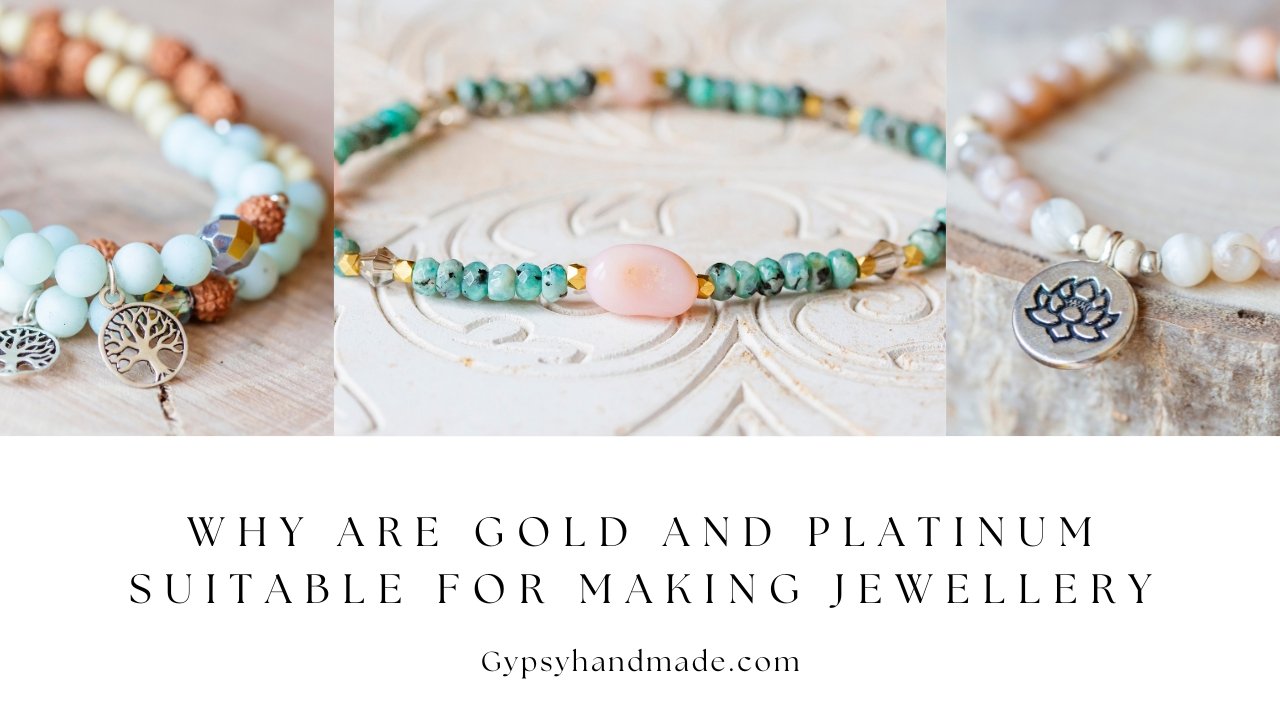
Why Are Gold and Platinum Suitable for Making Jewellery? When it comes to jewellery, the materials we choose play a crucial role in both aesthetics and durability. Gold and platinum have long been celebrated as the premier choices for crafting exquisite pieces that stand the test of time. But what makes these two metals so special? Their unique properties not only enhance their visual appeal but also ensure they remain cherished heirlooms for generations to come.
In this blog post, we’ll explore why gold and platinum are suitable for making jewellery. From their physical attributes to their rarity, every aspect contributes to their desirability among jewellers and consumers alike. Let’s dive into the key reasons that make gold and platinum standout options in the world of adornments!
Physical Properties of Gold and Platinum
Gold and platinum share remarkable physical properties that make them highly desirable for jewellery. Both metals are known for their lustrous appearance, which adds an elegant touch to any piece.
Gold is malleable, meaning it can be shaped easily without breaking. This characteristic allows jewellers to craft intricate designs that enhance its beauty. Its natural resistance to tarnish keeps gold looking radiant over time.
Platinum, on the other hand, boasts exceptional density and strength. It is heavier than gold and offers a unique durability that makes it ideal for settings where gemstones need extra security.
The melting points of these metals also contribute to their suitability in jewellery making. Gold melts at about 1,064°C while platinum requires around 1,768°C. This higher melting point translates into enhanced resistance during manufacturing processes.
Together, these physical attributes provide a compelling reason why gold and platinum have remained timeless choices in the world of fine jewellery.
Durability and Resistance to Wear
Gold and platinum are renowned for their exceptional durability. When it comes to jewellery, these metals withstand the test of time remarkably well.
Platinum is denser than gold, making it highly resistant to scratches and dents. This attribute means that even with daily wear, platinum pieces maintain their beauty longer.
Gold, particularly in higher karats, also boasts impressive resilience. It can resist tarnishing better than many other metals. While softer than platinum, high-quality gold alloys blend strength with elegance.
Both metals do not corrode easily. Their innate properties allow them to shine brightly without fading over years of use.
Choosing gold or platinum means investing in jewellery that will endure life’s moments—each piece tells a story through its longevity and charm.
Versatility in Design Options
Gold and platinum are incredibly versatile when it comes to jewellery design. Their distinct qualities allow artisans to explore a wide range of styles, from classic elegance to modern minimalism.
Both metals can be easily manipulated into intricate shapes and patterns. This malleability opens doors for unique creations that cater to individual tastes. Whether it’s a delicate pendant or an elaborate statement piece, the possibilities are endless.
Moreover, gold is available in various hues—yellow, white, and rose—each adding its own character to designs. Platinum’s natural silvery sheen complements gemstones beautifully, enhancing their brilliance without overshadowing them.
Jewellers often combine these metals with other materials like diamonds or colored stones for added flair. This fusion creates pieces that resonate with personal stories and style preferences, making every item truly one-of-a-kind.
Rarity and Value of Gold and Platinum
Why Are Gold and Platinum Suitable for Making Jewellery? Gold and platinum are not just beautiful; they carry significant value due to their rarity.
While gold is abundant compared to platinum, the latter is far scarcer in nature. This limited availability drives up its price and allure among jewellers and consumers alike.
The market for both metals fluctuates, yet their intrinsic worth often remains steadfast over time. Gold has been a symbol of wealth for centuries, while platinum is recognized for its luxurious appeal.
Investing in jewellery made from these metals can be seen as a wise choice. They tend to hold or increase in value, making them more than mere adornments.
Both materials also offer unique qualities that enhance their desirability—gold’s warmth complements various skin tones, while platinum’s silvery sheen provides a contemporary edge. Thus, choosing either metal means embracing rarity and elegance that stands out in any collection.
Sustainability Factors
Sustainability is a critical factor in the jewellery industry. Gold and platinum are often sourced through responsible mining practices. Many companies prioritize eco-friendly methods that minimize environmental impact.
Additionally, recycled metals play a significant role in sustainability efforts. By using reclaimed gold and platinum, artisans can create stunning pieces without depleting natural resources. This process conserves energy and reduces waste.
Ethical sourcing also impacts social sustainability. Responsible miners ensure fair wages and safe working conditions for their workers. When you choose gold or platinum jewellery from reputable sources, you’re supporting communities as well as the planet.
Moreover, these precious metals have longevity benefits. Their durability means jewellery lasts longer, reducing the need for replacements over time. Investing in quality pieces contributes to a more sustainable future within the industry while allowing consumers to enjoy exquisite craftsmanship.
Comparison with Other Metals Used in Jewellery Making
When comparing gold and platinum to other metals like silver or titanium, the differences are striking. Gold and platinum both possess a unique luster that adds an undeniable allure to any piece of jewelry.
Silver, while beautiful, is softer and more prone to tarnishing. It requires regular maintenance to keep it looking its best. In contrast, gold and platinum retain their shine with minimal effort.
Titanium offers incredible strength but lacks the traditional elegance associated with precious metals. Its industrial feel can be appealing for some designs but doesn’t match the timeless appeal of gold or platinum pieces.
Both gold and platinum also boast hypoallergenic properties, making them suitable for sensitive skin—a benefit not always found in other metal options. This factor alone makes them highly desirable for consumers seeking comfort alongside style in their jewelry choices.
Tips for Caring for Your Gold and Platinum Jewellery
Caring for your gold and platinum jewellery is essential to maintain its beauty. Regular cleaning can make a significant difference. Use a gentle solution of mild soap and warm water, then wipe with a soft cloth.
Avoid exposing your pieces to harsh chemicals. Substances like bleach or chlorine can damage the finish over time. When engaging in activities like swimming or exercising, it’s wise to remove your jewellery to prevent scratches and tarnishing.
Store each piece separately in a soft pouch or lined box. This prevents tangling and scratching against other items. If you notice any dullness, consider having them professionally polished occasionally.
Be mindful of wearing rings when doing tasks that involve heavy lifting or manual labor. Protecting your investment ensures it remains stunning for years to come—always treat your treasures with care!
Conclusion
Why Are Gold and Platinum Suitable for Making Jewellery? Gold and platinum have long been favored materials in the world of jewelry making. Their unique properties make them exceptional choices for both everyday wear and special occasions. The physical characteristics, including their luster and malleability, allow designers to create intricate pieces that stand out.
Their durability ensures that your investment lasts over time without losing its charm. Gold and platinum resist tarnishing and scratching better than many other metals, making them ideal for rings, bracelets, earrings, and necklaces alike.
Furthermore, these precious metals are highly versatile. They can be shaped into delicate designs or bold statements based on personal style preferences. This adaptability allows jewelers to cater to a broad audience with various tastes.
The rarity of gold and platinum adds another layer of appeal. These metals not only hold significant intrinsic value but also often appreciate over time—making them wise investments as well as beautiful adornments.
Sustainability is becoming increasingly important in today’s market. Both gold and platinum can be sourced ethically through recycled materials or responsible mining practices, aligning with consumer values focused on environmental impact.
When compared to other metals used in jewelry making—like silver or titanium—gold and platinum shine not just in appearance but also in longevity. While some alternatives may offer affordability or weight advantages, they lack the timeless elegance associated with these two classics.
Caring for your gold and platinum jewelry ensures it stays radiant longer. Simple routines like cleaning regularly with mild soap solutions will help maintain their beauty while avoiding harsh chemicals that could damage the finish.
The reasons why gold and platinum are suitable for making jewelry are numerous—from physical attributes to emotional significance supported by history—and they continue to resonate deeply within our culture today. Whether you’re investing in a piece for yourself or gifting someone else, choosing these precious metals guarantees a lasting treasure filled with meaning.
