
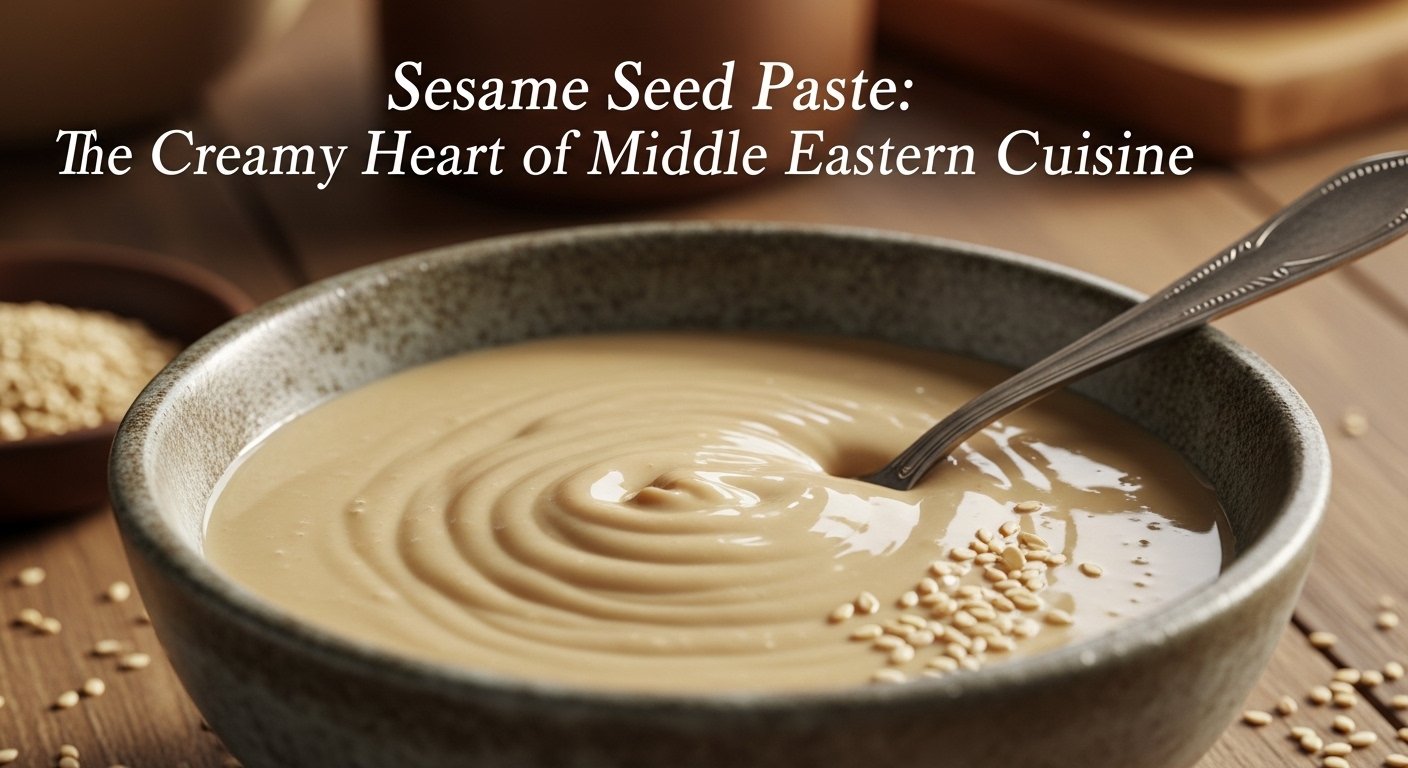
Sesame seed paste, often known as tahini, is the creamy magic behind many beloved dishes in Middle Eastern cuisine. This rich and versatile ingredient adds depth to flavors while boosting nutritional value. Whether you’re dipping fresh vegetables or drizzling it over a warm bowl of hummus, sesame seed paste elevates every bite. Its nutty aroma and smooth texture can transform simple recipes into culinary delights. As we dive deeper into this delicious staple, prepare to uncover its fascinating history and endless possibilities in your kitchen!
History and Origin of Sesame Seed Paste
Sesame seed paste, known as tahini in the Middle East, boasts a rich history that dates back thousands of years. Archaeological evidence suggests its use in ancient Mesopotamia around 3000 BCE.
The sesame plant itself is one of the oldest oilseed crops cultivated by humans. Ancient civilizations praised it for its nutty flavor and versatility in cooking.
In the Mediterranean region, they were ground into a fine paste, becoming an essential ingredient in various dishes. This transformation marked tahini’s rise to prominence.
Through trade routes, the popularity of sesame seed paste spread across cultures and continents. It became a staple not only in Middle Eastern kitchens but also found its way into Asian cuisines over time.
As culinary practices evolved, so did tahini’s role—transforming from a simple condiment to an integral component of beloved dishes like hummus and baba ghanoush.
Nutritional Benefits of Sesame Seed Paste
Sesame seed paste, often known as tahini, is a nutritional powerhouse. Packed with essential vitamins and minerals, it serves as a rich source of calcium. This makes it an excellent choice for those looking to support bone health.
Additionally, it contains healthy fats that promote heart health. The monounsaturated and polyunsaturated fats can help lower bad cholesterol levels while boosting good cholesterol.
Moreover, it’s high in protein—perfect for vegans and vegetarians seeking plant-based options. Alongside this, the presence of antioxidants in tahini contributes to reducing inflammation in the body.
Its fiber content aids digestion too. Incorporating sesame seed paste into your diet can provide sustained energy throughout the day without the crash associated with sugary snacks.
This versatile ingredient not only enhances flavor but also supports overall well-being through its diverse nutrient profile.
Variations of Sesame Seed Paste in Middle Eastern Cuisine
Sesame seed paste, known as tahini, showcases its versatility in Middle Eastern cuisine. Each country adds a unique twist to this beloved ingredient.
In Lebanon and Syria, tahini is often blended with garlic and lemon juice to create a creamy dip called baba ghanoush. This smoky eggplant dish pairs beautifully with pita bread.
Meanwhile, in Israel, it shines in halva—a sweet confection made from sesame paste mixed with sugar and nuts. It’s a delightful treat that captures the essence of local flavors.
Egyptians enjoy their version as dukkah, where tahini is combined with spices like cumin and coriander for an earthy seasoning on meats or vegetables.
Jordanian cuisine features savory dishes like mansaf topped with drizzles of tahini sauce that add richness to the meal.
Each variation reflects regional ingredients while honoring the roots of sesame seed paste throughout history.
Popular Dishes that Use Sesame Seed Paste
Sesame seed paste, known as tahini in many regions, is a staple in Middle Eastern cuisine. Its creamy texture and nutty flavor elevate various dishes.
Hummus is perhaps the most famous use of sesame seed paste. This chickpea-based dip gets its smooth consistency from tahini, making it irresistible with pita bread or fresh veggies.
Another classic dish featuring this beloved ingredient is baba ganoush. The smoky eggplant dip combines tahini for added richness and depth. It’s perfect for gatherings or casual snacking.
In salads, sesame seed paste shines too. Drizzled over greens or mixed into dressings, it adds a delightful creaminess that complements fresh ingredients beautifully.
Don’t forget about desserts! In sweets like halva, sesame seed paste provides an indulgent base that balances sweetness with its earthy notes. Each bite offers a unique taste experience not to be missed.
How to Incorporate Sesame Seed Paste into Your Cooking
Incorporating sesame seed paste into your cooking can elevate your dishes with its rich, nutty flavor. Start by using it as a base for dressings. Combine it with olive oil, lemon juice, and garlic for a delightful salad dressing or dip.
You can also stir it into soups and stews to add creaminess and depth. Just a spoonful can transform a simple vegetable soup into something extraordinary.
For those who love baking, consider adding sesame seed paste to cookie recipes. It pairs beautifully with chocolate or oatmeal cookies, offering an unexpected twist.
Spread it on toast topped with honey or fruit for an energizing breakfast option. The possibilities are endless when you think creatively about this versatile ingredient!
Where to Find and Purchase Sesame Seed Paste
Finding sesame seed paste is easier than you might think. Many local grocery stores now carry it, especially those with a diverse international section. Look for jars labeled “tahini,” which is the most common form of sesame seed paste.
If your supermarket doesn’t stock it, don’t fret. Specialty Middle Eastern markets often have a variety of brands and styles. These shops usually offer fresh options that can elevate your dishes.
Online shopping provides another avenue to explore. Websites like Amazon or health food retailers feature numerous brands, allowing you to compare prices and read reviews before making a purchase.
Farmers’ markets may surprise you as well; some artisanal vendors produce homemade versions that are rich in flavor and quality. Local co-ops can also be a great resource for finding organic or unique varieties of sesame seed paste that align with your dietary preferences.
The Versatility of Sesame Seed Paste in Different Cuisines
Sesame seed paste, often known as tahini, transcends borders and cultures. Its nutty flavor profile makes it a cherished ingredient in various cuisines around the globe.
In Asian cooking, tahini can be blended into dressings or sauces, enhancing salads and grilled dishes. It offers a creamy texture that’s hard to resist.
Mediterranean recipes embrace this paste too. Hummus is perhaps the most famous dish featuring sesame seed paste. The smooth blend of chickpeas and tahini creates an irresistible dip that pairs well with pita bread.
Even in Western cuisine, creative chefs are using sesame seed paste to elevate their meals. From smoothies to desserts like halva, its adaptability knows no bounds.
The unique taste of it opens doors for experimentation across different culinary traditions. Whether used sparingly or as a main component, it adds depth and richness wherever it’s included.
Conclusion
Sesame seed paste, also known as tahini, is a staple ingredient in Middle Eastern cuisine and beyond. Its rich history dates back thousands of years, showcasing how it has woven itself into various cultures and traditions. Packed with nutritional benefits, it offers a creamy texture along with essential vitamins and minerals.
The versatility of this ingredient allows for endless culinary creations. From classic hummus to savory baba ghanoush or drizzled over salads, the possibilities are vast. Each region brings its unique twist on it, enhancing the flavor profiles of dishes around the world.
Whether you’re exploring new recipes at home or looking to expand your palate, incorporating sesame seed paste can elevate your meals while providing health benefits. It’s readily available in many grocery stores or online shops.
This creamy delight holds its own across multiple cuisines, proving that it’s not just limited to one region’s gastronomy but rather an international treasure worth enjoying every day.
