
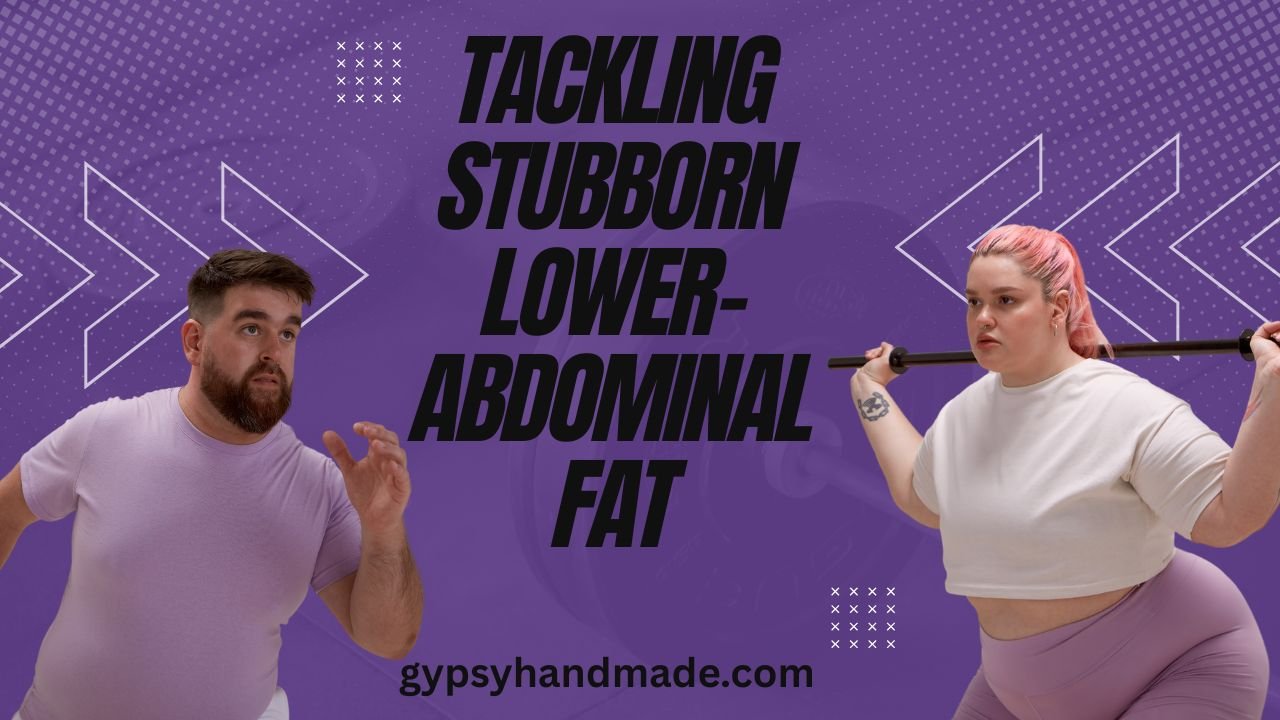
When it comes to body confidence, there’s one term that often sparks conversation: FUPA. This cheeky acronym stands for “fat upper pubic area,” and it’s something many people grapple with at some point in their lives. Whether you’re dealing with stubborn lower-abdominal fat due to genetics, lifestyle choices, or other factors, know you’re not alone. The journey toward feeling comfortable in your skin can be challenging but also empowering.
In this post, we delve into what contributes to these pesky FUPAs and explore practical strategies for tackling them head-on. From exercise routines designed specifically for targeting lower abdominal fat to dietary adjustments that make a difference—there’s a wealth of information waiting for you! Plus, we’ll touch on non-surgical options and the importance of embracing your unique shape along the way. Let’s get started on understanding FUPAs better and reclaiming our confidence together!
What is a FUPA?
FUPA, or fat upper pubic area, refers to excess fat that accumulates in the lower abdominal region. This term has gained popularity in recent years as more people open up about body image issues and seek relatable language for their experiences.
Typically, a FUPA can occur regardless of body shape or size. It doesn’t discriminate and can affect individuals after weight fluctuations, pregnancy, or simply due to genetics.
While some might view it as an unwanted feature, others embrace it as part of their unique anatomy. Understanding what constitutes a FUPA is the first step toward addressing any concerns you may have about this particular area of your body.
It’s essential to approach this topic with sensitivity because everyone’s journey with their body is different.
Factors that Contribute to Stubborn Lower-Abdominal Fat
Several factors can lead to the accumulation of stubborn lower-abdominal fat, commonly referred to as FUPAs. Hormonal changes are a significant player here. Fluctuations in hormones like estrogen and cortisol can cause your body to store fat in specific areas.
Genetics also play a role. Some people are predisposed to carry extra weight around their midsection due to inherited traits. This makes it harder for them to shed those pesky inches.
Lifestyle choices cannot be overlooked either. Stressful schedules often result in poor eating habits and lack of physical activity, both contributing directly to abdominal fat gain.
Age is another factor that influences metabolism. As we get older, our metabolic rate tends to slow down, making it easier for FUPAs to form if not managed properly.
Inadequate sleep has been linked with weight gain as well. Poor rest disrupts hormonal balance and may increase cravings for unhealthy foods.
Exercise Strategies to Target FUPAs
When it comes to tackling FUPAs, targeted exercises can make a significant difference. Think of movements that engage the core and lower abdominal muscles.
Planks are fantastic for building overall stability. They strengthen your entire midsection while minimizing strain on your back.
Incorporate leg raises into your routine as well. Lying flat on your back, lift your legs towards the ceiling while keeping your lower spine pressed into the ground. This movement focuses directly on those stubborn areas.
Don’t overlook cardiovascular activities either. Running or cycling boosts metabolism and helps burn fat throughout the body, including in challenging zones like the lower abdomen.
Consider yoga or pilates classes. These practices improve flexibility and core strength while promoting mindfulness about body image and health goals. Embrace variety—your body will thank you!
Diet Tips for Reducing FUPAs
To tackle FUPAs, paying attention to your diet is crucial. Start by incorporating more whole foods into your meals. Fresh fruits and vegetables are low in calories but high in nutrients. They help keep you full while providing essential vitamins.
Next, consider reducing processed foods that are often loaded with sugars and unhealthy fats. These can contribute to stubborn fat accumulation around the lower abdomen. Opt for healthier snacks like nuts or yogurt instead.
Hydration plays a key role as well! Drinking plenty of water can aid digestion and reduce bloating, which may enhance your overall appearance.
Don’t forget about portion control; it’s easy to overeat even healthy foods. Mindful eating—paying attention to what you consume—can make a significant difference.
Consider including protein-rich foods such as lean meats or legumes in every meal. Protein helps build muscle mass, which can boost metabolism and assist in fat loss over time.
Non-Surgical Procedures for Treating FUPAs
For those looking to address FUPAs without surgery, several innovative options exist. Non-invasive treatments can effectively target stubborn lower-abdominal fat.
CoolSculpting is a popular choice. This technique freezes fat cells, allowing your body to naturally eliminate them over time. It’s quick and requires minimal downtime.
Another option is radiofrequency therapy. This method uses heat to stimulate collagen production while tightening the skin in the process. Many find it comfortable with no recovery needed afterward.
Ultrasound cavitation also stands out as a non-surgical solution. It breaks down fat cells through sound waves, making it an appealing alternative for many individuals seeking results without invasive procedures.
Each of these options offers unique benefits tailored to different needs and lifestyles. Consulting with a qualified professional can help determine which path might be best suited for you on your journey toward feeling confident in your own skin.
Embracing Body Positivity and Accepting Your Unique Shape
Embracing body positivity is about celebrating who you are, FUPA and all. Each person’s shape tells a story, reflecting their journey through life.
Accepting your unique form can be liberating. It shifts focus from societal standards to self-love. Every body has its quirks and charm; yours is no exception.
Surround yourself with positive influences that uplift rather than bring you down. Engage in communities that value diversity in shapes and sizes.
Practice kindness towards yourself daily. Compliment your strengths, both physical and emotional. Remember, confidence shines brighter than any scale number or clothing size.
Wear what makes you feel good instead of what trends dictate. Your happiness should come first, not the opinions of others.
It’s about feeling comfortable in your skin and appreciating what makes you uniquely beautiful.
Conclusion
FUPAs, or fat upper pubic areas, can be a source of frustration for many. Understanding what they are and the factors contributing to their prominence is critical in addressing them effectively. While exercise strategies and dietary adjustments can significantly impact stubborn lower-abdominal fat, exploring non-surgical procedures may also provide additional options for those seeking results.
It’s essential to embrace body positivity throughout this journey. Every body tells a unique story, and learning to love yourself as you are makes all the difference in cultivating confidence and self-acceptance. Remember that tackling FUPAs isn’t just about aesthetics; it’s about fostering health and wellness.
Taking steps towards reducing stubborn lower-abdominal fat doesn’t have to be overwhelming. With the right mindset, resources, and support network it’s possible to create meaningful changes while celebrating your individuality along the way. Your journey is yours alone—own it!
